NEWSDESK
LATE SUMMER GALA
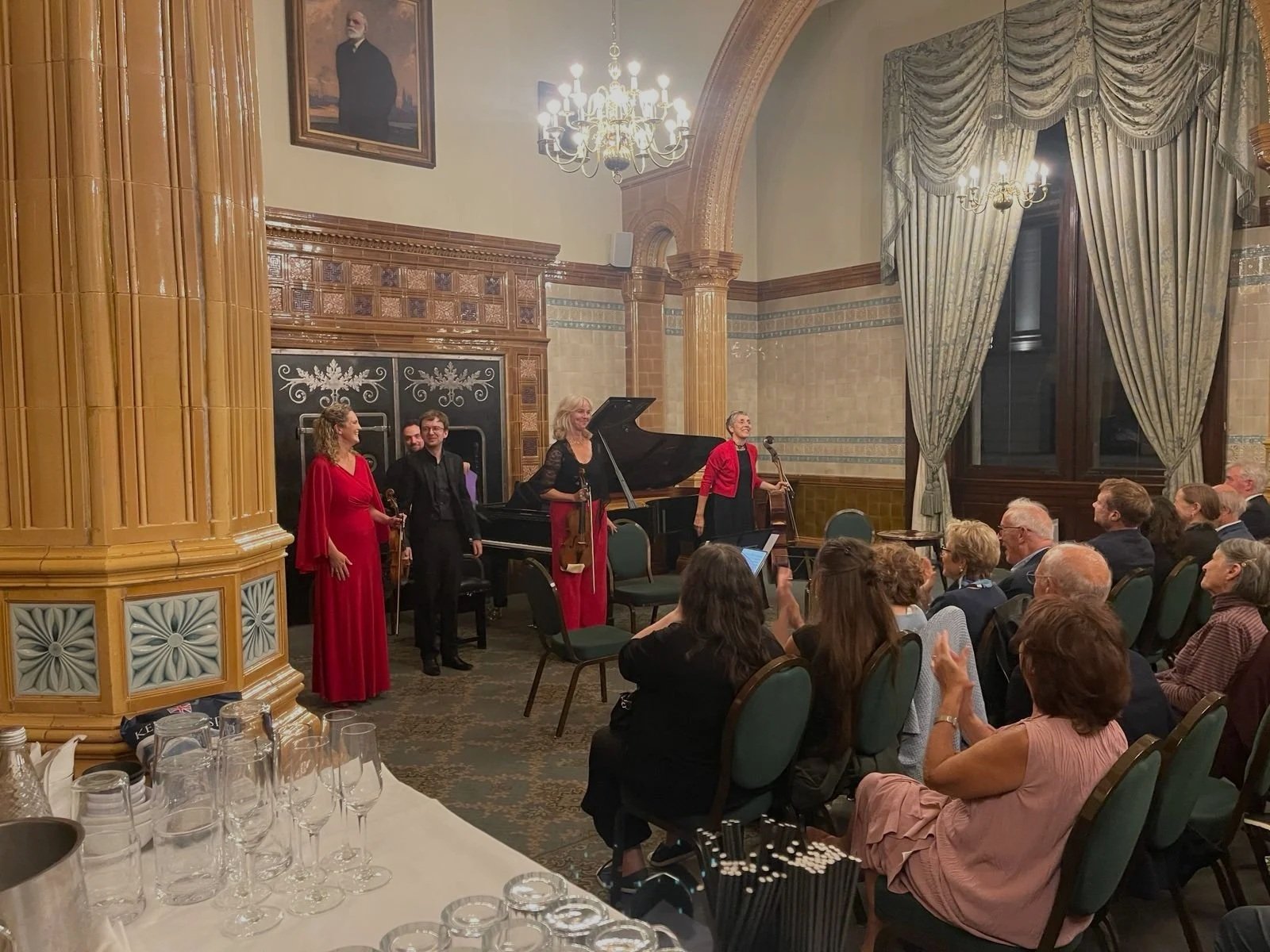
POP and Kettner Concerts held a Late Summer GALA concert at the National Liberal Club on Friday 11 September 2026. Here is what POP’s performers had to say about the evening.
'It was a wonderful opportunity to play with three fabulous musicians from the London Mozart Players at the Gala Concert. From the very first bar we played together in rehearsal, it was clear that the musical conversations were going to be alive, full of nuance and deeply rewarding. So it proved to be in performance, helped by an appreciative, large audience, an impressive venue and a magnificent Steinway. It was a joy to be a part of!'
Best wishes to all,
Dominic
"The POP gala concert was one of those precious moments that reminded me why I became a musician. To deal intimately with some of the greatest music ever written, to share the stage with such excellent musicians, to play on such a beautiful Steinway as the one in the NLC and to feel the warmth and engagement of the public - one simply cannot ask for more!”
William Bracken
THE ARTISTS
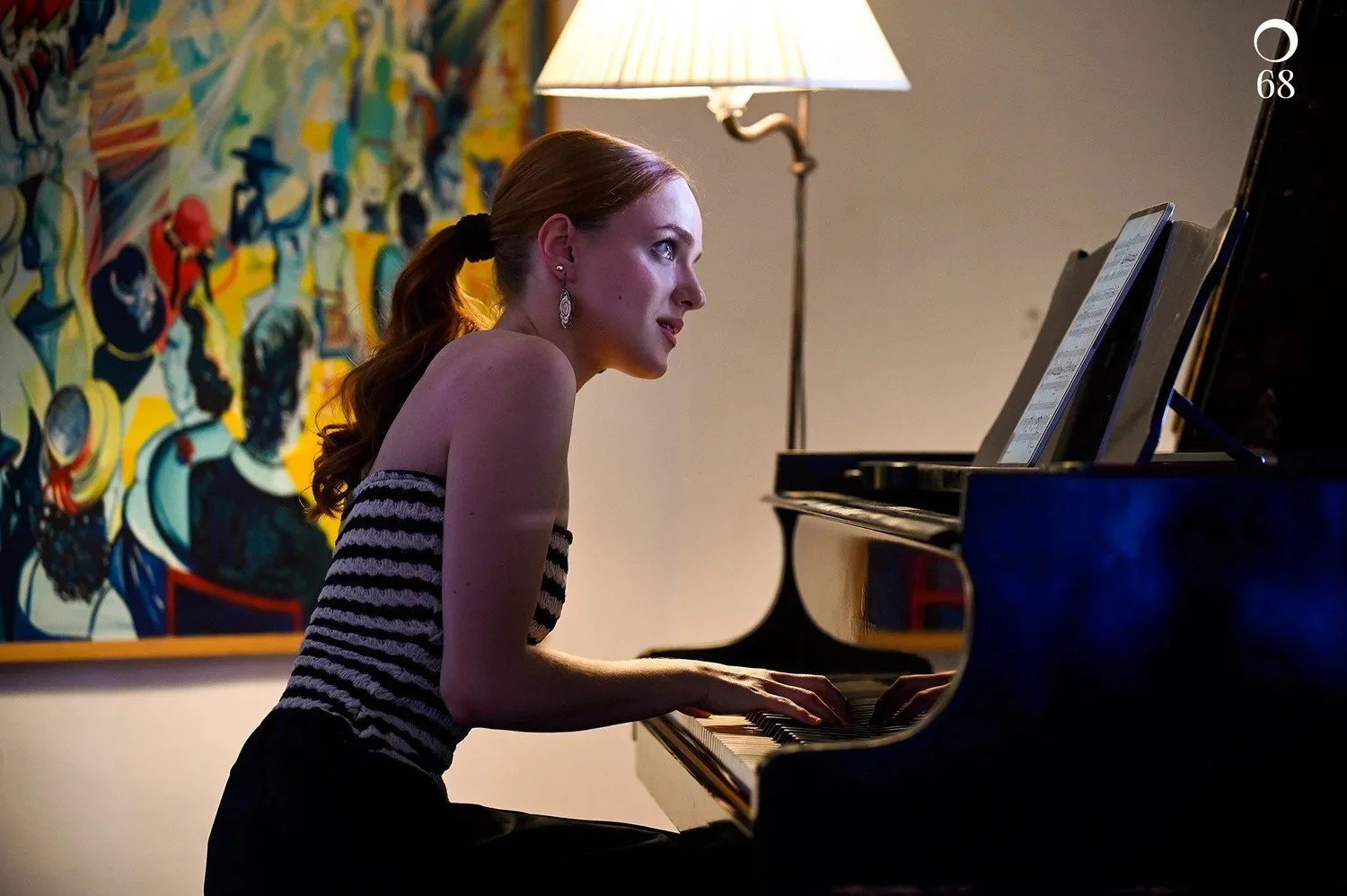
Milda Daunoraite
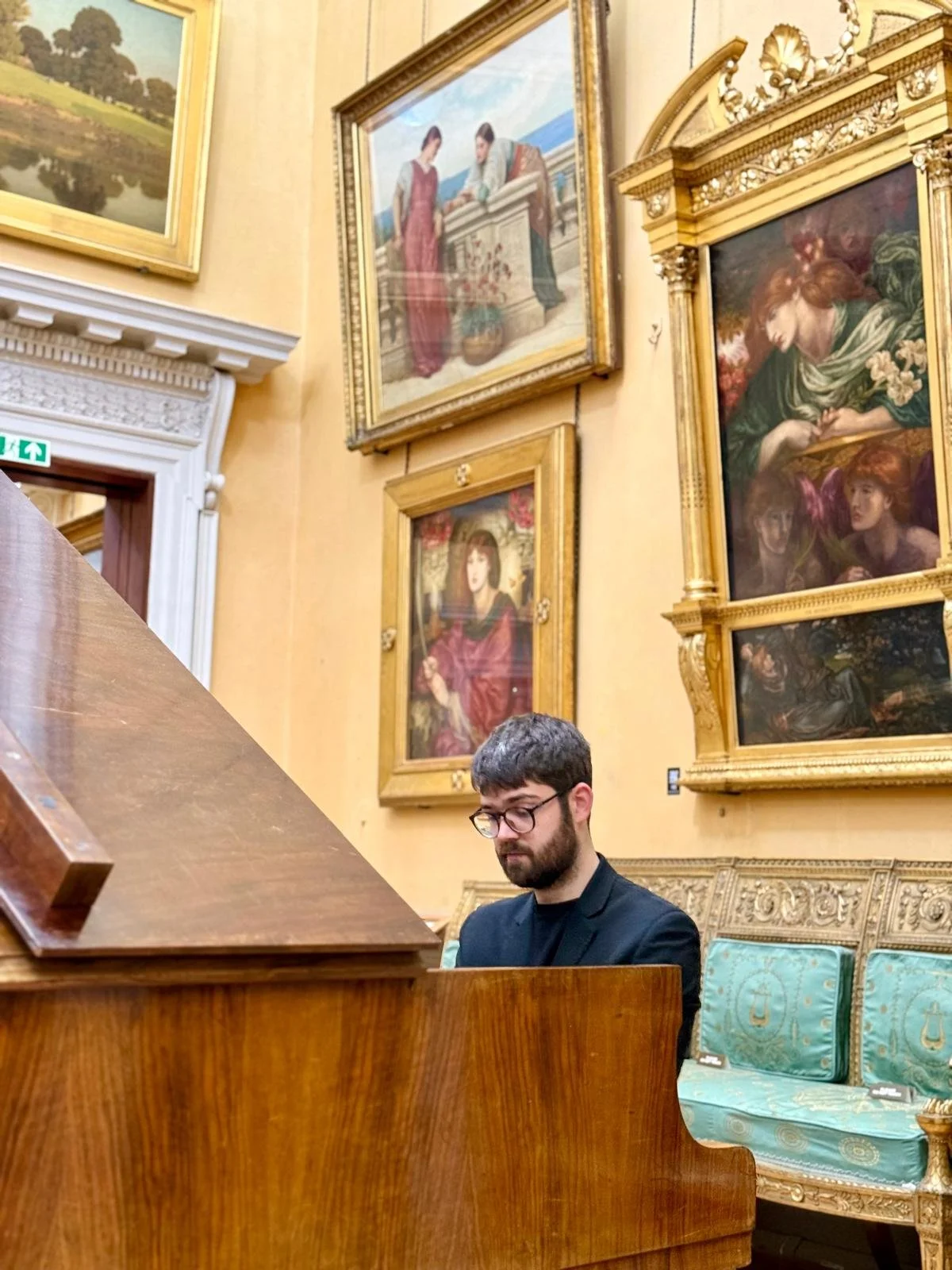
William Bracken
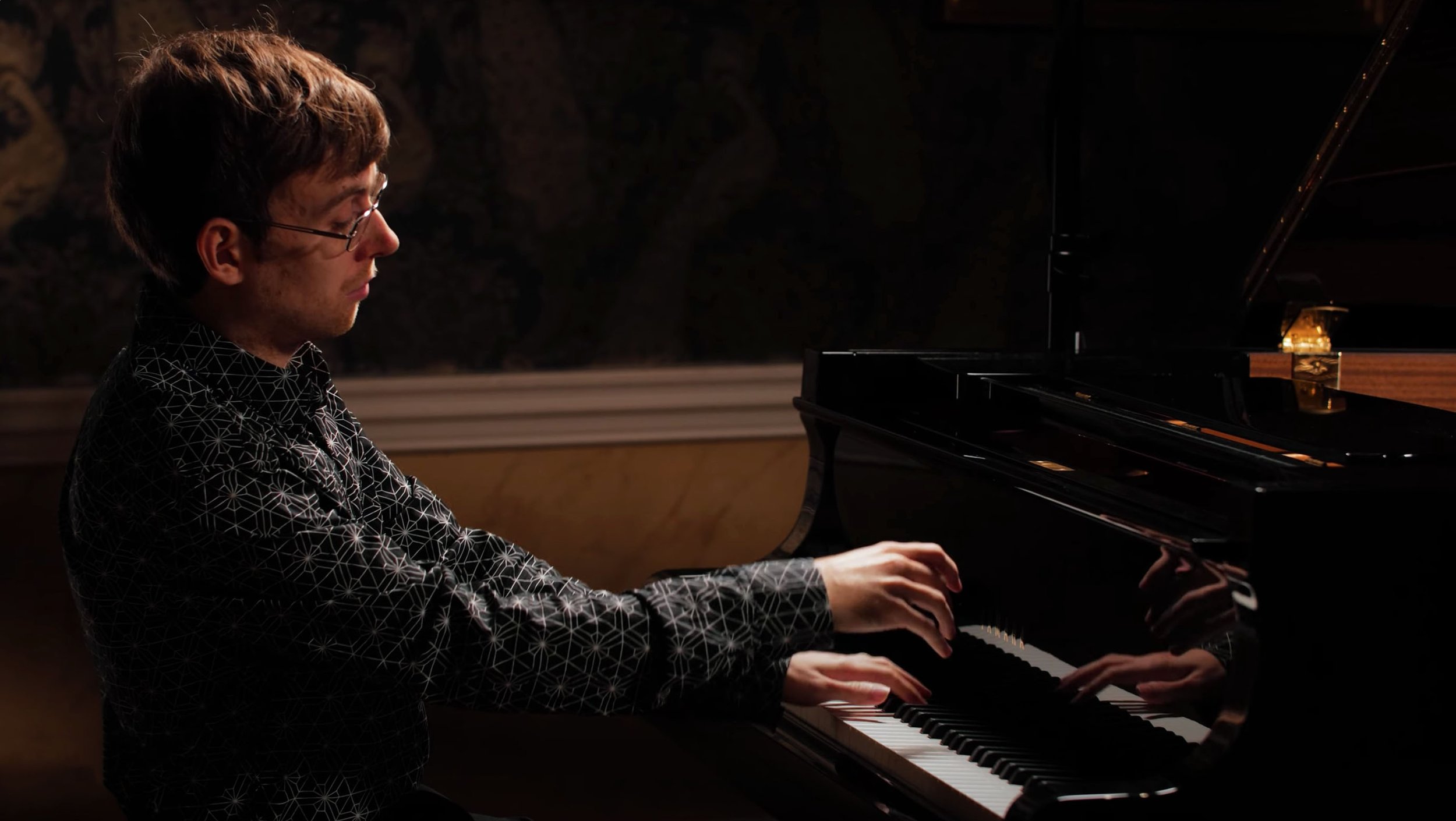
Dominic Degavino
PORT SUNLIGHT INTERNATIONAL PIANO FESTIVAL
Port Sunlight International Piano Festival (PSIPF), Saturday 26 and Sunday 27 September 2026, is a project committed to bringing world-class music-making to the village of Port Sunlight on the Wirral Peninsula in Merseyside. It aims to allow residents and attendees to celebrate the stunning but little known Lady Lever Art Gallery, which will host the performances. Founded by our much admired POP pianist William Bracken, the Festival proposes to expose the community to musical excellence from around the globe whilst keeping performances free to attend.
It will also serve as a testament to the legacy of Paula Browning, William's grandmother, who was born in Taranaki, New Zealand, but spent the last two decades of her life living on the Wirral. Paula was a pianist of formidable ability and reputation. The festival is built on values that she held dear: curiosity, enthusiasm, exacting standards, work-ethic, pleasure and, above all, a deep love for music and an inexhaustible passion for sharing it with the community.
There will be six concerts at the gallery over the weekend from solo piano recitals to chamber music including performances by pianists Alexia Eleftheriadou, Kasparas Mikužis, Elisabeth Tsai and Sophia Prodanova (violin).
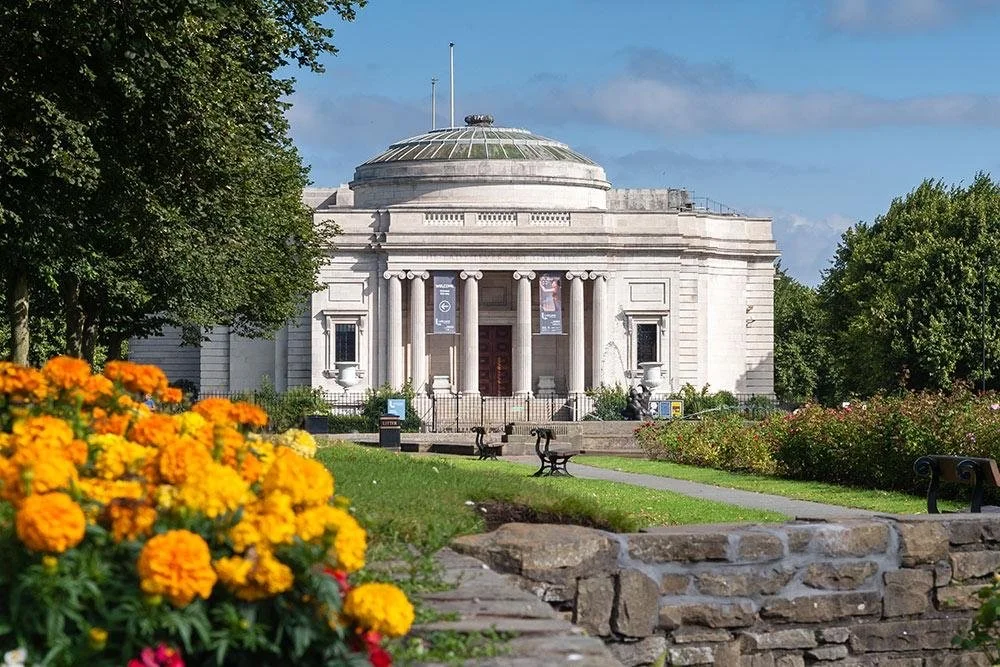
William Hesketh Lever (1851–1925) was a multi-millionaire who made his fortune by selling just one product – household soap in pre-wrapped bars under a brand name: Sunlight Soap. In 1888 he built a village to house his employees and named it Port Sunlight. The Lady Lever Art Gallery, pictured above, built in memory of his beloved wife Elizabeth, houses one of the UK's finest art galleries, including a famous collection of Pre-Raphaelite paintings.
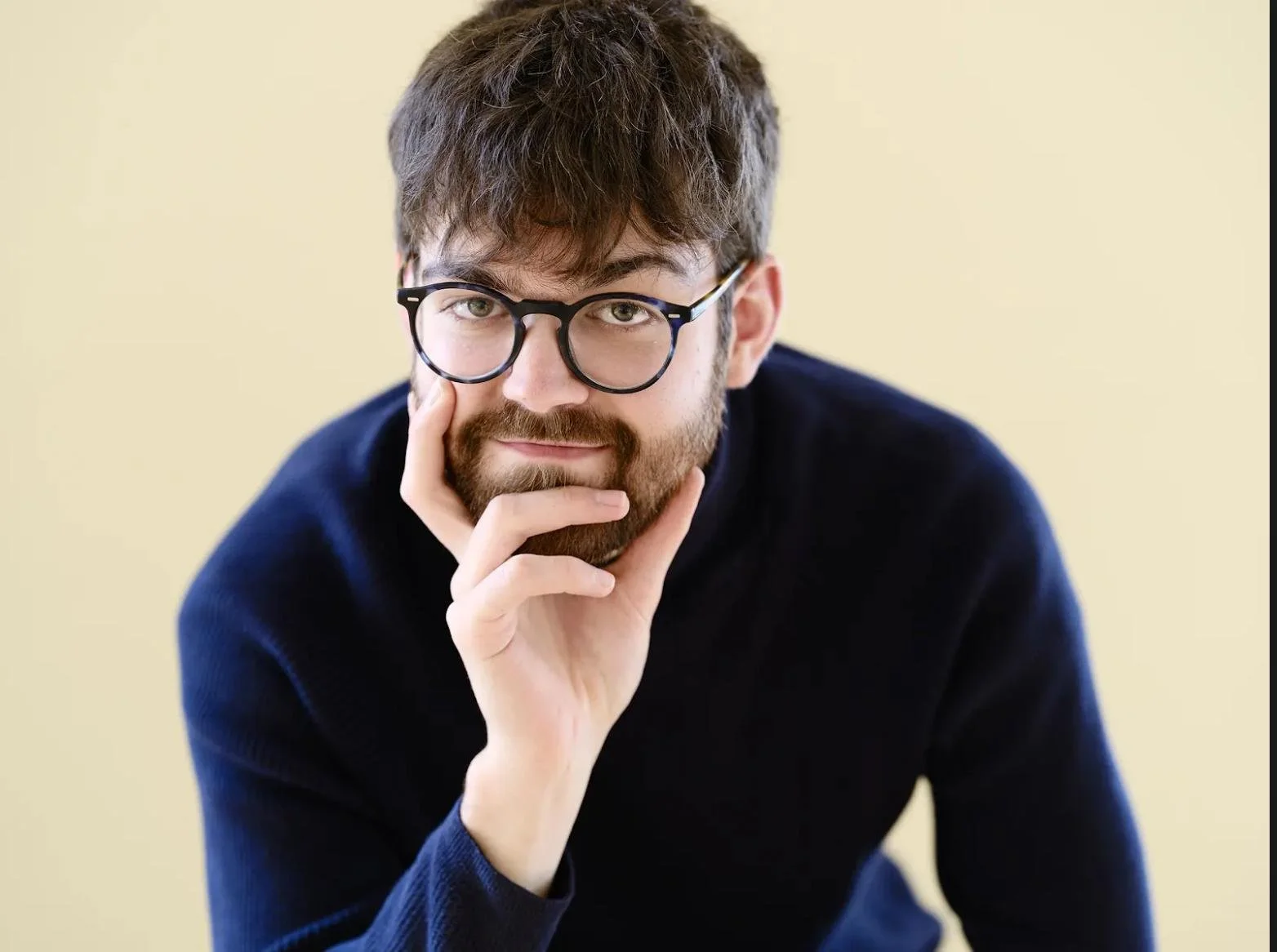
For more information about the Festival see William's website, where you can sign up to receive his newsletter.
william bracken - piano
NEW AUTUMN CONCERT ANNOUNCEMENT
Vietnamese pianist Khanh-Nhi Luong won a Bronze Medal at Leeds in 2024 where she received an official citation as, "a rising star of exceptional sensitivity and imagination". She is renowned for her thrilling performances across three continents from the Grand Hall in Hanoi to Carnegie Hall, New York and the Wigmore in London.
Nhi will be performing on 13 November 2026 at The International Anthony Burgess Foundation, Chorlton Mill,
3 Cambridge Street, Manchester M1 5BY
Click here for further details and tickets.